
Hailstorms move through Texas quickly, but their effects can linger — especially on a roof. The morning after a storm, many homeowners step outside and start noticing small details that weren’t there before. These observations are usually subtle and raise questions rather than immediate alarm.
Understanding what people commonly notice after a hailstorm helps set expectations and keeps the situation grounded.
Early Signs Homeowners Often Spot Around the House
The first clues after a hail event are often found at ground level. Homeowners may see dented gutters, downspouts with fresh marks, or debris scattered around the yard. These signs don’t confirm roof damage on their own, but they indicate the storm had enough force to affect exterior surfaces.
Some people also notice shingle granules collecting near downspouts or on walkways, especially after rainfall following the storm.
What the Roof Surface May Look Like After Hail
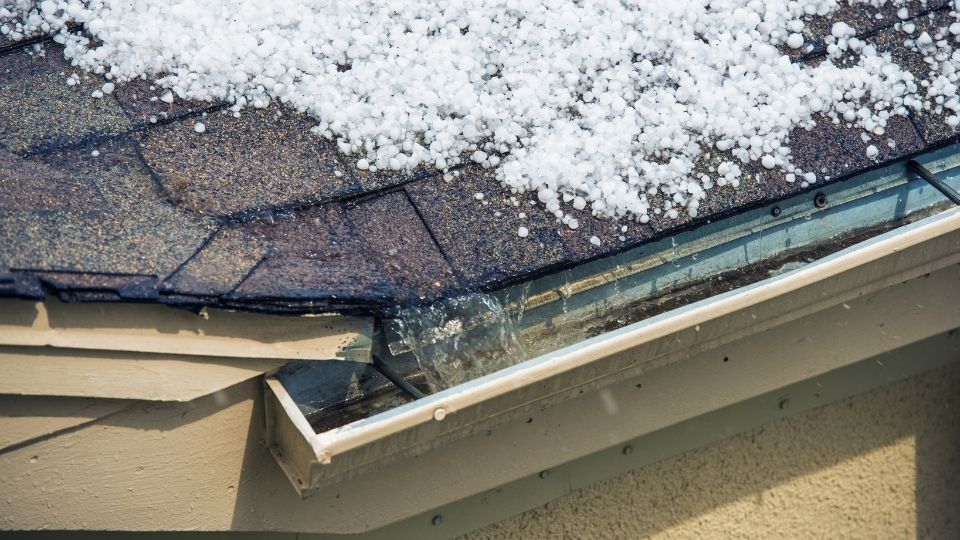
From the ground, the roof often looks unchanged. Hail damage isn’t always dramatic or obvious without a closer look. Shingles may appear intact while still having experienced impact.
In some cases, homeowners notice small dark spots, uneven textures, or areas that look slightly different in certain lighting. These changes aren’t always visible immediately and may become more noticeable over time.
How Gutters and Roof Edges Reflect Storm Impact
Gutters and roof edges tend to show hail impact more clearly than the main roof surface. Dings, scuffs, or chipped paint along metal components are common observations after a storm.
Because gutters help manage water flow, any visible changes there often draw attention and prompt homeowners to take a closer look at the roof as a whole.
What a Typical Hail-Related Roof Inspection Usually Finds
When a roof is inspected after a hailstorm, findings are often more measured than homeowners expect. Instead of widespread failure, inspections usually reveal localized impact points, surface wear, or changes to protective layers.
Not every hail event causes functional damage. Many inspections confirm normal wear combined with storm-related impact that helps explain changes homeowners have noticed.
Why November Hailstorms Feel Different in Texas
Hailstorms in November often arrive alongside cooler temperatures and seasonal weather shifts. Roofing materials may already be responding to temperature changes, which can make hail impact seem more noticeable.
This combination of seasonal transition and storm activity is why late-year hail events tend to raise more questions, even when damage is limited.
Understanding What Hail Can and Can’t Do
Hail can affect roofing materials in different ways depending on size, wind speed, and roof condition. Some impacts alter surface characteristics without causing immediate leaks or structural issues.
Knowing this helps homeowners avoid jumping to conclusions while still staying attentive to changes over time.
What Homeowners Typically Do Next
After the initial observations, many homeowners simply monitor their roof and note any changes after future rainfall. Others choose to document what they see for their own records.
The most common next step is gaining clarity — understanding whether what they’re seeing reflects normal post-storm conditions or something worth keeping an eye on.
Staying Grounded After a Storm
Hailstorms are disruptive, but the aftermath doesn’t always signal major damage. Most roof changes observed after a storm reflect how materials respond to impact, weather, and seasonal shifts.
Paying attention without panic allows homeowners to stay informed and confident as conditions settle.
Prime Seamless helps homeowners understand what hailstorm roof damage typically looks like and how common post-storm observations fit into the bigger picture of roof condition.