
Every day, your roof and gutter do an incredible amount of work to keep your home stable. As the winter months roll by, many of us are focused on the holidays and traversing the cold. Nobody is really focused on home care and maintenance. Unfortunately, now is the time when the rigors of the year often weigh the heaviest on your roof and gutter systems. The extreme conditions of winter often reveal underlying damage that has gone unnoticed for months.
Your Roof and Gutters
Roofing is more than wood and shingles. The overall structure of your roof seeks to take advantage of angles to help prevent water from finding places to pool and stagnate. Sealants are used to fill in gaps and prevent water from seeping in through joints and connection points. Flashing is used to channel water away from places like your chimney, sunroofs, and vents. The underlayment is a membrane attached to the roof deck, providing additional protection to guide water away from the attic in case it gets through. Even the overlapping design of shingle placement is done to encourage gravity to let snow and rain slide down more easily.
Your gutters are also part of the whole system, their main job being to guide water through the downspout and away from your home and foundation. Like a well-installed roof, the gutter must be properly cared for so it can do its job right. Tilted at an angle, the gutter collects water and leads it to the downspout, which should ideally release the water about 3 feet from your foundation. This allows your roof to drain off excess liquid efficiently.
Frequently, we do not notice problems with our roof and gutters until it becomes a serious emergency. Lack of preparedness and regular inspections can often mean a small, relatively easy-to-fix issue just gets bigger and bigger. This is why December might be the most common time for homeowners to notice there is a problem developing.
Winter brings excessive moisture to Texas. Even if we don’t get three feet of snow, we still get ice, rain, sleet, hail, and mixtures of all four. All of this accumulation really tests your roofing and gutter system, sometimes to the point of failure.
Water Leaks: Mold, Mildew, & Rot
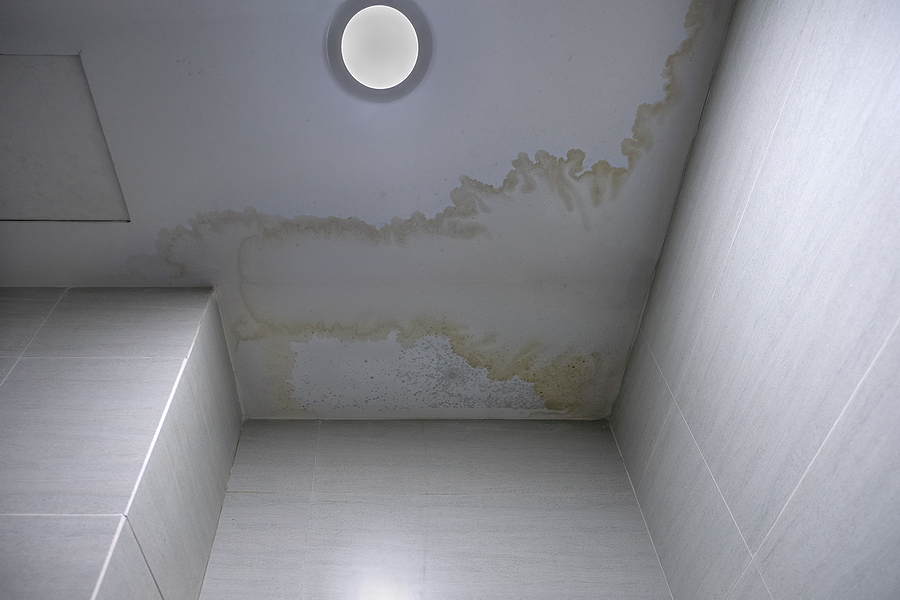
A well-functioning, regularly maintained system does more than just provide shelter. It protects your home from damage. Mold and mildew are two of our biggest enemies around here, and they require diligence to fully eradicate. During the winter months, the rise and fall of temperatures from day/night create a freeze cycle, allowing for ice dams to form on your roof. Over time, the ice dam will seep in past the shingles, the membrane, and on down into the insulation and wood of your attic.
Many homeowners will notice a musty scent or brown stains coming from the ceiling and down the walls. If you have access to your attic, you may notice damp insulation or moisture gathering. All of this is a sure sign that water has found a way in.
Landscape Preservation: Soil Erosion & Foundation Cracks
The importance of water dispersal goes further than your roof. When your roof and gutter system does not function properly, the water can be dumped at the base of your home. When water gathers around your foundation without an efficient way to drain, it can cause disastrous problems. Water causes soil expansion, which, in moderate amounts, is fine. Too much can cause soil erosion, destabilizing the ground around your foundations. When the soil becomes saturated, hydrostatic pressure builds, creating a powerful force that pushes inwards. Over time, this can create cracks, bowing, and, in the worst event, flooding.
Most homeowners will spot uneven floors and cracks in their walls easily. But keep an eye out for doors and windows that are sticky and difficult to open or close. If you are noticing water accumulation in your basement or floors, especially after heavy rain, you are in the emergency zone.
Siding & Paint: Prevent the Wear & Tear
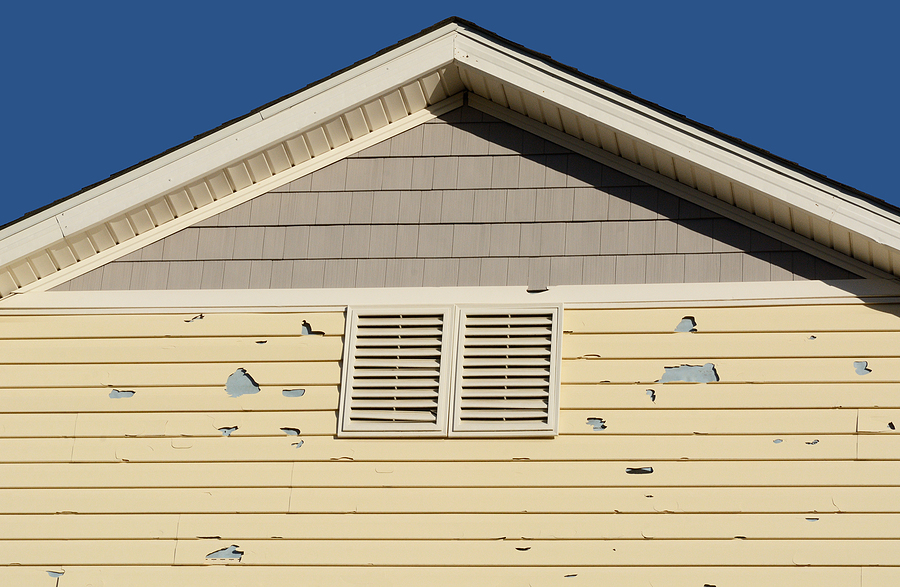
When water does not have a beneficial path away from your house, it goes where it goes. More often than not, that means right down the walls of your house. If the water accumulates, it can cause the same problems previously listed, like mold, mildew, and rot. During the winter months, you are faced with the freeze/thaw cycle and potential ice dams forming on the exterior of your home.
When it comes to siding, you will likely notice buckling, warping, and cracking, showing where the expansion and contraction of the ice dam pulls the siding away from the wall. This also exposes the underlying materials to further water damage. With paint, you will see peeling and bubbling, revealing that moisture has already worked its way in. Early signs for both paint and siding include discoloration and a musty or unpleasantly mildew scent.
Roof & Gutter Integrity: How Bad Can It Get?
A soft December snowfall can be beautiful, but we often understate the sheer weight of all that snow when it’s on our homes. Snow’s weight can differ drastically depending on its composition. A nice fluffy, light snow is only about 3-4 lbs. a sq ft., whereas a heavy, packed snow can come in at over 20 lbs. per sq ft. Now, the good news is that most modern roofing is built to handle this kind of dense weight. With regular clearing and maintenance, you have little to worry about. But older roofing or flat roofs may be in danger as they are not built with this weight in mind. The whole situation can be made worse if it rains, adding additional moisture and weight to the problem.
When the immense weight of this finally meets the breaking point, you won’t just see the signs, you’ll hear them. Groaning and ‘twanging’ are often reported as the wood begins to give and the metal fixtures either bend or pop loose. You’ll find shingles and even flashing have become separated from the underlayment and are either on the ground or barely hanging on by a single nail. There will be visible dips and arches in the roof line, revealing where the weight is adding the most pressure. In some cases, you can even see where the roof is entirely separated from the house till daylight shines through.
Lowering Your Energy Costs
One of the quickly noticed indications of a roofing or gutter issue comes when your heating bills skyrocket during the colder months. And many of the previously stated issues are accountable. Compromised insulation, bad ventilation, air leaking in from damaged shingles, and exposed underlayment all of these can lead to a spike in energy consumption just trying to keep your home comfortable.
When it comes to roof and gutter care, regular inspections are key, along with a little vigilance and mindfulness on the part of the homeowner. The Texas climate can be challenging. But by handling the problems and concerns while they are small and fixable, we avoid big, costly problems down the line.