
As temperatures begin to cool in Texas, many homeowners start to notice subtle changes on their roofs and around their gutters. Winter roof maintenance isn’t about dramatic weather events as much as it is about observing how roofing materials respond to seasonal shifts.
November is often when these changes become noticeable — not because something is suddenly wrong, but because cooler weather affects how roofs behave day to day.
How Cooler Temperatures Affect Roofing Materials
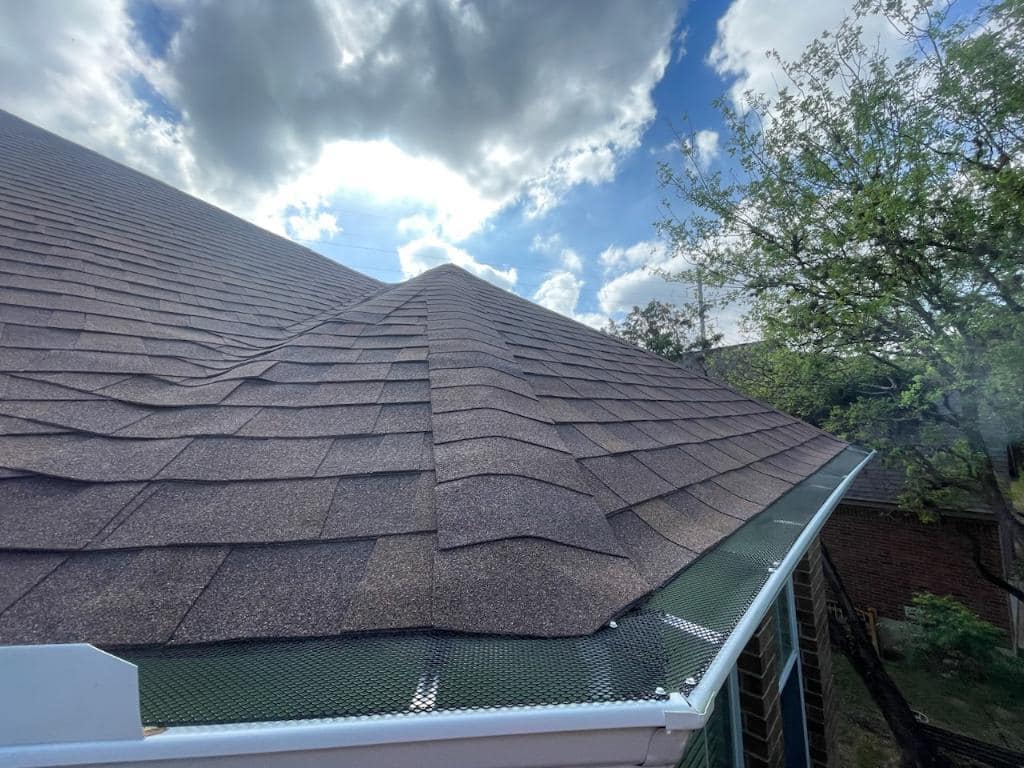
Roofing materials expand and contract throughout the year. As temperatures drop, sealants and flashing materials can stiffen, and shingles may react differently than they did during the summer months.
Homeowners sometimes notice small changes such as shingles settling, sealant lines appearing more rigid, or surfaces looking slightly different after cooler nights. These are common seasonal responses rather than immediate concerns.
Granule Movement and Surface Wear
Granules protect shingles from sun exposure and weather. As the seasons change, some homeowners notice granules collecting in gutters or near downspouts.
A small amount of granule movement is typical as roofing materials age and respond to temperature shifts. It’s often more noticeable in late fall when debris is easier to spot after rain or during routine outdoor cleanup.
Gutter Performance Changes in Late Fall

Gutters play a bigger role as winter approaches. Falling leaves, debris, and seasonal rainfall can affect how water moves off the roof.
Homeowners may notice slower drainage, water collecting at certain points, or debris buildup that wasn’t present earlier in the year. These changes highlight how closely roof and gutter systems work together, especially as weather patterns shift.
What a Simple Late-Fall Roof Check Looks Like
From a homeowner’s perspective, a late-fall roof check is mostly observational. It often includes looking for visible debris, checking that gutters appear clear, and noting any changes in how water drains after rainfall.
Many homeowners also take note of roof edges, flashing areas, and spots where materials meet — simply to stay aware of how the roof is responding to seasonal conditions.
Why Texas Winters Still Matter for Roof Maintenance
While Texas winters are generally milder than in colder regions, temperature swings, rain, and occasional freezing conditions can still influence roof performance.
Cooler nights followed by warmer days create movement in roofing materials, and late-year weather patterns can expose areas that handle moisture differently than they did in summer.
Observing Changes Without Jumping to Conclusions
Seasonal roof changes don’t automatically signal damage or failure. Most of what homeowners notice in November reflects normal aging, temperature response, and environmental exposure.
Paying attention to these changes helps homeowners stay informed without assuming the worst or overlooking patterns that repeat each year.
Staying Aware Through Seasonal Shifts
Winter roof maintenance begins with awareness. Understanding how roofs and gutters typically respond to cooler weather helps homeowners interpret what they see and set realistic expectations for seasonal behavior.
A roof that changes with the seasons isn’t unusual — it’s doing exactly what it was designed to do.
For homeowners with questions about seasonal roof changes, Prime Seamless provides clear explanations of common winter roof conditions and what they typically indicate.