“Post-Winter Roof Inspections: What Gets Evaluated in January”
Winter may not be finished yet, but as the new year rolls in, many homeowners take the opportunity to get roof inspections done in preparation for spring. Harsh weather conditions like snow, ice, and extreme temperature changes can have a major effect on your roof. By choosing to get your inspections out of the way early, you can catch small problems before they become big, expensive problems.
Winter Roof Inspection
It may seem counterintuitive, but winter roof inspections can be beneficial in the long run. Some problems, such as flashing separation, cold air leaks, attic condensation, or ice dam development, are easier to spot. These problems can be exacerbated if your roof is over 15 years old or already has unaddressed damage.
Most roofing companies offer free inspections even if you choose to go with a different contractor. Obviously, we’d love you to choose Prime Seamless for all your roofing needs. But San Antonio is lucky enough to have quality roofing services from many professionals. Let’s take a look at what you can expect from most inspection services.
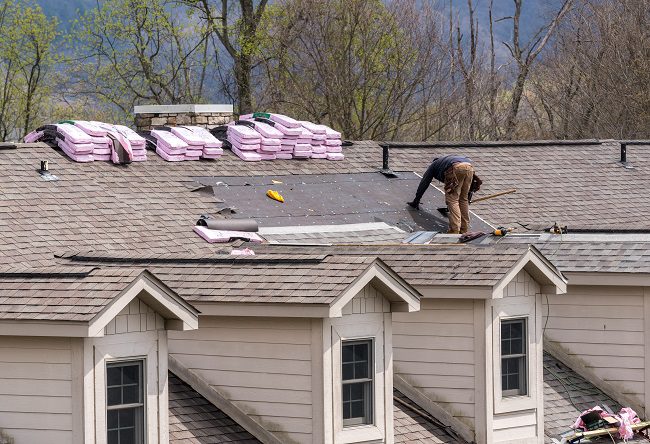
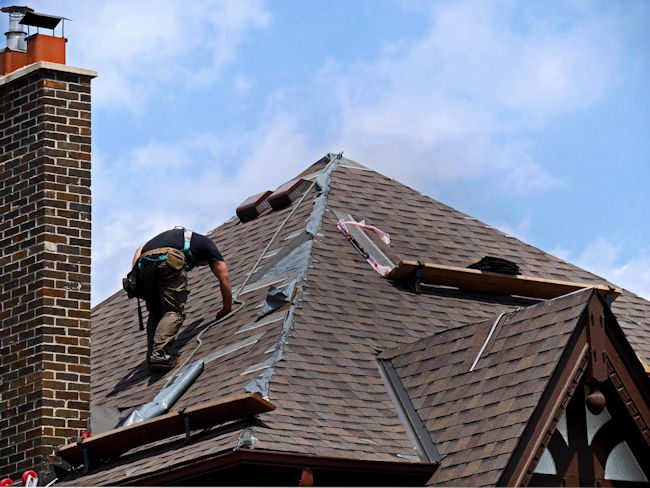
Inspections typically start from the outside, looking for any obvious signs of damage such as loose flashing, damaged shingles, and blocked or sagging gutters. Some contractors choose to get up on the roof, while others may use drones to safely survey from the ground. These surface-level warning signs give the inspector a better idea of where to look once they are in the attic. Once inside, the inspector will look for water stains or active leaks, mold, poor ventilation, or ice accumulation around vents and eaves.
Once the assessment is completed, the inspector will give you a workup of what shape your roof is in and where the problems are. They may give you a general plan for what to expect if you go ahead with contracting and repair services from them. Don’t be shy about getting more than one quote. But remember that the longer these damages go unaddressed, the worse they will get.
Top 5 Winter Roofing Problems

Cracked Flashing: As the temperatures drop, the metal flashing around your chimney and vents can begin to separate and pull away from the structure. This allows moisture to seep into the underlying materials.
Blocked Gutters: If your gutters were left with debris before winter set in, then your drainage paths are blocked. This allows water to freeze and ice dams to accumulate, potentially damaging your roof and gutters.
Attic Condensation: When the warm indoor air meets with freezing outside temperatures, you get condensation. Left untreated, you will develop mold, mildew, and compromised insulation.
Shingle Damage: Winter winds can be unmerciful on your shingles. Once damaged or torn off, this leaves your underlying roofing structure exposed to moisture.
Ice Buildup: As the freeze-thaw cycle continues, ice buildup can block your drainage and allow moisture to seep in.
Homeowner Questions and Concerns

Can you inspect my roof in winter?
Yes. Absolutely. As you can see, it’s one of the best times to spot weather-related gaps in your roof’s integrity. Winter conditions allow us to spot things like ice dams, flashing issues, and moisture issues.
Do I need to schedule repairs immediately?
If your inspector finds something urgent, they will inform you of the situation and give you options. Otherwise, any contractor can help you come up with a repair plan based on what you and your roof need most.
What can I do to help prevent these issues?
Regular inspections will go a long way towards preventing these problems from occurring. But if you are looking to be proactive, invest in a roof rake to safely remove snowfall from the ground. Make sure to give your gutters a good clean before the first snow arrives to help reduce ice buildup.
When it comes to reliable roofing, Prime Seamless is at your service. We offer roof inspections in every season, focusing not only on today’s concerns, but also on how to protect your roof from bigger problems tomorrow. Contact us today to schedule a roof inspection and experience the difference of working with a trusted and experienced roofing company.
Maintaining Roof and Gutter Systems as Seasonal Weather Shifts
Every day, your roof and gutter do an incredible amount of work to keep your home stable. As the winter months roll by, many of us are focused on the holidays and traversing the cold. Nobody is really focused on home care and maintenance. Unfortunately, now is the time when the rigors of the year often weigh the heaviest on your roof and gutter systems. The extreme conditions of winter often reveal underlying damage that has gone unnoticed for months.
Your Roof and Gutters
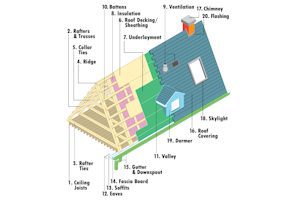
Roofing is more than wood and shingles. The overall structure of your roof seeks to take advantage of angles to help prevent water from finding places to pool and stagnate. Sealants are used to fill in gaps and prevent water from seeping in through joints and connection points. Flashing is used to channel water away from places like your chimney, sunroofs, and vents. The underlayment is a membrane attached to the roof deck, providing additional protection to guide water away from the attic in case it gets through. Even the overlapping design of shingle placement is done to encourage gravity to let snow and rain slide down more easily.
Your gutters are also part of the whole system, their main job being to guide water through the downspout and away from your home and foundation. Like a well-installed roof, the gutter must be properly cared for so it can do its job right. Tilted at an angle, the gutter collects water and leads it to the downspout, which should ideally release the water about 3 feet from your foundation. This allows your roof to drain off excess liquid efficiently.
Frequently, we do not notice problems with our roof and gutters until it becomes a serious emergency. Lack of preparedness and regular inspections can often mean a small, relatively easy-to-fix issue just gets bigger and bigger. This is why December might be the most common time for homeowners to notice there is a problem developing.
Winter brings excessive moisture to Texas. Even if we don’t get three feet of snow, we still get ice, rain, sleet, hail, and mixtures of all four. All of this accumulation really tests your roofing and gutter system, sometimes to the point of failure.
Water Leaks: Mold, Mildew, & Rot

A well-functioning, regularly maintained system does more than just provide shelter. It protects your home from damage. Mold and mildew are two of our biggest enemies around here, and they require diligence to fully eradicate. During the winter months, the rise and fall of temperatures from day/night create a freeze cycle, allowing for ice dams to form on your roof. Over time, the ice dam will seep in past the shingles, the membrane, and on down into the insulation and wood of your attic.
Many homeowners will notice a musty scent or brown stains coming from the ceiling and down the walls. If you have access to your attic, you may notice damp insulation or moisture gathering. All of this is a sure sign that water has found a way in.
Landscape Preservation: Soil Erosion & Foundation Cracks
The importance of water dispersal goes further than your roof. When your roof and gutter system does not function properly, the water can be dumped at the base of your home. When water gathers around your foundation without an efficient way to drain, it can cause disastrous problems. Water causes soil expansion, which, in moderate amounts, is fine. Too much can cause soil erosion, destabilizing the ground around your foundations. When the soil becomes saturated, hydrostatic pressure builds, creating a powerful force that pushes inwards. Over time, this can create cracks, bowing, and, in the worst event, flooding.
Most homeowners will spot uneven floors and cracks in their walls easily. But keep an eye out for doors and windows that are sticky and difficult to open or close. If you are noticing water accumulation in your basement or floors, especially after heavy rain, you are in the emergency zone.
Siding & Paint: Prevent the Wear & Tear

When water does not have a beneficial path away from your house, it goes where it goes. More often than not, that means right down the walls of your house. If the water accumulates, it can cause the same problems previously listed, like mold, mildew, and rot. During the winter months, you are faced with the freeze/thaw cycle and potential ice dams forming on the exterior of your home.
When it comes to siding, you will likely notice buckling, warping, and cracking, showing where the expansion and contraction of the ice dam pulls the siding away from the wall. This also exposes the underlying materials to further water damage. With paint, you will see peeling and bubbling, revealing that moisture has already worked its way in. Early signs for both paint and siding include discoloration and a musty or unpleasantly mildew scent.
Roof & Gutter Integrity: How Bad Can It Get?
A soft December snowfall can be beautiful, but we often understate the sheer weight of all that snow when it’s on our homes. Snow’s weight can differ drastically depending on its composition. A nice fluffy, light snow is only about 3-4 lbs. a sq ft., whereas a heavy, packed snow can come in at over 20 lbs. per sq ft. Now, the good news is that most modern roofing is built to handle this kind of dense weight. With regular clearing and maintenance, you have little to worry about. But older roofing or flat roofs may be in danger as they are not built with this weight in mind. The whole situation can be made worse if it rains, adding additional moisture and weight to the problem.
When the immense weight of this finally meets the breaking point, you won’t just see the signs, you’ll hear them. Groaning and ‘twanging’ are often reported as the wood begins to give and the metal fixtures either bend or pop loose. You’ll find shingles and even flashing have become separated from the underlayment and are either on the ground or barely hanging on by a single nail. There will be visible dips and arches in the roof line, revealing where the weight is adding the most pressure. In some cases, you can even see where the roof is entirely separated from the house till daylight shines through.
Lowering Your Energy Costs
One of the quickly noticed indications of a roofing or gutter issue comes when your heating bills skyrocket during the colder months. And many of the previously stated issues are accountable. Compromised insulation, bad ventilation, air leaking in from damaged shingles, and exposed underlayment all of these can lead to a spike in energy consumption just trying to keep your home comfortable.
When it comes to roof and gutter care, regular inspections are key, along with a little vigilance and mindfulness on the part of the homeowner. The Texas climate can be challenging. But by handling the problems and concerns while they are small and fixable, we avoid big, costly problems down the line.
Winter Roof Maintenance: What Homeowners Often Notice in November
As temperatures begin to cool in Texas, many homeowners start to notice subtle changes on their roofs and around their gutters. Winter roof maintenance isn’t about dramatic weather events as much as it is about observing how roofing materials respond to seasonal shifts.
November is often when these changes become noticeable — not because something is suddenly wrong, but because cooler weather affects how roofs behave day to day.
How Cooler Temperatures Affect Roofing Materials

Roofing materials expand and contract throughout the year. As temperatures drop, sealants and flashing materials can stiffen, and shingles may react differently than they did during the summer months.
Homeowners sometimes notice small changes such as shingles settling, sealant lines appearing more rigid, or surfaces looking slightly different after cooler nights. These are common seasonal responses rather than immediate concerns.
Granule Movement and Surface Wear
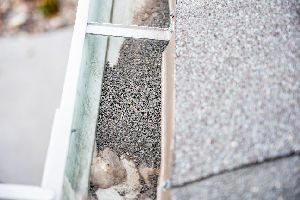
Granules protect shingles from sun exposure and weather. As the seasons change, some homeowners notice granules collecting in gutters or near downspouts.
A small amount of granule movement is typical as roofing materials age and respond to temperature shifts. It’s often more noticeable in late fall when debris is easier to spot after rain or during routine outdoor cleanup.
Gutter Performance Changes in Late Fall

Gutters play a bigger role as winter approaches. Falling leaves, debris, and seasonal rainfall can affect how water moves off the roof.
Homeowners may notice slower drainage, water collecting at certain points, or debris buildup that wasn’t present earlier in the year. These changes highlight how closely roof and gutter systems work together, especially as weather patterns shift.
What a Simple Late-Fall Roof Check Looks Like
From a homeowner’s perspective, a late-fall roof check is mostly observational. It often includes looking for visible debris, checking that gutters appear clear, and noting any changes in how water drains after rainfall.
Many homeowners also take note of roof edges, flashing areas, and spots where materials meet — simply to stay aware of how the roof is responding to seasonal conditions.
Why Texas Winters Still Matter for Roof Maintenance
While Texas winters are generally milder than in colder regions, temperature swings, rain, and occasional freezing conditions can still influence roof performance.
Cooler nights followed by warmer days create movement in roofing materials, and late-year weather patterns can expose areas that handle moisture differently than they did in summer.
Observing Changes Without Jumping to Conclusions
Seasonal roof changes don’t automatically signal damage or failure. Most of what homeowners notice in November reflects normal aging, temperature response, and environmental exposure.
Paying attention to these changes helps homeowners stay informed without assuming the worst or overlooking patterns that repeat each year.
Staying Aware Through Seasonal Shifts
Winter roof maintenance begins with awareness. Understanding how roofs and gutters typically respond to cooler weather helps homeowners interpret what they see and set realistic expectations for seasonal behavior.
A roof that changes with the seasons isn’t unusual — it’s doing exactly what it was designed to do.
For homeowners with questions about seasonal roof changes, Prime Seamless provides clear explanations of common winter roof conditions and what they typically indicate.
What Homeowners Typically Learn From a Roof Repair Inspection
A roof repair inspection isn’t a sales pitch or a long checklist of worst-case scenarios. In most cases, it’s a straightforward look at how a roof is holding up and whether small issues are contributing to leaks, wear, or visible damage.
For Texas homeowners, inspections often confirm what many already suspect: most roof problems start small and develop over time. Understanding what crews commonly find during a roof repair inspection can help set realistic expectations and reduce unnecessary stress.
What a Standard Roof Repair Inspection Covers
A typical inspection focuses on areas most likely to show early signs of trouble. Crews usually begin with a visual evaluation of the roof surface, checking shingles, flashing, and transitions where materials meet.
They also look at roof edges, valleys, penetrations, and drainage points. These areas experience the most exposure to sun, wind, and water — and they’re where minor issues tend to show up first.
Common Shingle and Surface Conditions
One of the most frequent findings during a roof repair inspection is surface wear rather than structural failure. This may include granule displacement on asphalt shingles, slight curling at edges, or sealant that has begun to dry out.
These conditions don’t always require major repairs, but they help explain why water may be moving differently across the roof or why small leaks appear after heavy rain.
Flashing and Sealant Wear
Flashing protects vulnerable areas around chimneys, vents, skylights, and roof transitions. Over time, sealants can crack or separate due to heat and movement.
Inspectors often note worn or aging sealant rather than outright failure. These small gaps can allow moisture intrusion during storms, especially when wind drives rain upward.
Signs of Drainage or Gutter-Related Issues
While gutters aren’t part of the roof itself, their condition often shows up during inspections. Overflow marks, debris buildup, or water staining near roof edges can indicate drainage problems.
These signs help explain why moisture may be collecting where it shouldn’t — and why certain roof areas experience more wear than others.
Minor Structural Observations
In routine inspections, crews may also note subtle structural indicators, such as slight sagging in decking areas or uneven surfaces. These observations don’t automatically mean serious damage, but they help explain changes in roof performance.
Most of the time, these findings point to long-term wear, temperature cycles, or past moisture exposure rather than sudden failure.
What Homeowners Expect vs. What Inspections Usually Reveal
Many homeowners worry that an inspection will uncover major damage or immediate replacement needs. In reality, most roof repair inspections identify manageable, localized conditions that explain current concerns.
The goal isn’t to escalate the situation — it’s to understand what’s happening and why, based on visible, real-world conditions.
Why Routine Roof Repair Inspections Matter
Small issues are easier to address when they’re identified early. Routine inspections help homeowners stay informed about their roof’s condition without guessing or assuming the worst.
Even when no immediate repairs are needed, inspections provide clarity and peace of mind by confirming how the roof is performing.
A Practical Look at Roof Condition
A roof repair inspection is simply a snapshot of how a roof is aging and responding to its environment. It focuses on real observations, not assumptions — and helps homeowners understand what’s normal, what’s changing, and what to keep an eye on.
If you have questions about your roof’s condition or recent changes you’ve noticed, Prime Seamless can help walk you through what a roof repair inspection typically reveals and what it means for your home.
The Day After the Hailstorm: What Homeowners Typically Notice First
Hailstorms move through Texas quickly, but their effects can linger — especially on a roof. The morning after a storm, many homeowners step outside and start noticing small details that weren’t there before. These observations are usually subtle and raise questions rather than immediate alarm.
Understanding what people commonly notice after a hailstorm helps set expectations and keeps the situation grounded.
Early Signs Homeowners Often Spot Around the House
The first clues after a hail event are often found at ground level. Homeowners may see dented gutters, downspouts with fresh marks, or debris scattered around the yard. These signs don’t confirm roof damage on their own, but they indicate the storm had enough force to affect exterior surfaces.
Some people also notice shingle granules collecting near downspouts or on walkways, especially after rainfall following the storm.
What the Roof Surface May Look Like After Hail

From the ground, the roof often looks unchanged. Hail damage isn’t always dramatic or obvious without a closer look. Shingles may appear intact while still having experienced impact.
In some cases, homeowners notice small dark spots, uneven textures, or areas that look slightly different in certain lighting. These changes aren’t always visible immediately and may become more noticeable over time.
How Gutters and Roof Edges Reflect Storm Impact
Gutters and roof edges tend to show hail impact more clearly than the main roof surface. Dings, scuffs, or chipped paint along metal components are common observations after a storm.
Because gutters help manage water flow, any visible changes there often draw attention and prompt homeowners to take a closer look at the roof as a whole.
What a Typical Hail-Related Roof Inspection Usually Finds
When a roof is inspected after a hailstorm, findings are often more measured than homeowners expect. Instead of widespread failure, inspections usually reveal localized impact points, surface wear, or changes to protective layers.
Not every hail event causes functional damage. Many inspections confirm normal wear combined with storm-related impact that helps explain changes homeowners have noticed.
Why November Hailstorms Feel Different in Texas
Hailstorms in November often arrive alongside cooler temperatures and seasonal weather shifts. Roofing materials may already be responding to temperature changes, which can make hail impact seem more noticeable.
This combination of seasonal transition and storm activity is why late-year hail events tend to raise more questions, even when damage is limited.
Understanding What Hail Can and Can’t Do
Hail can affect roofing materials in different ways depending on size, wind speed, and roof condition. Some impacts alter surface characteristics without causing immediate leaks or structural issues.
Knowing this helps homeowners avoid jumping to conclusions while still staying attentive to changes over time.
What Homeowners Typically Do Next
After the initial observations, many homeowners simply monitor their roof and note any changes after future rainfall. Others choose to document what they see for their own records.
The most common next step is gaining clarity — understanding whether what they’re seeing reflects normal post-storm conditions or something worth keeping an eye on.
Staying Grounded After a Storm
Hailstorms are disruptive, but the aftermath doesn’t always signal major damage. Most roof changes observed after a storm reflect how materials respond to impact, weather, and seasonal shifts.
Paying attention without panic allows homeowners to stay informed and confident as conditions settle.
Prime Seamless helps homeowners understand what hailstorm roof damage typically looks like and how common post-storm observations fit into the bigger picture of roof condition.
How to Fix Storm Damage to your roof? Hire The Best!
Storms: The Leading Culprit Behind Roof Damage Across the US
In the continental United States, storms stand as the primary cause of roof damage. The National Severe Storm Laboratory reports that severe thunderstorms can unleash heavy rain, hail, ice, and winds that exceed 100 mph. Such intense weather conditions can lead to dents or even punctures in roofing materials, causing leaks and other complications. Remarkably, about one-third of homes in the U.S. are highly vulnerable to natural disasters and storm-related damage.
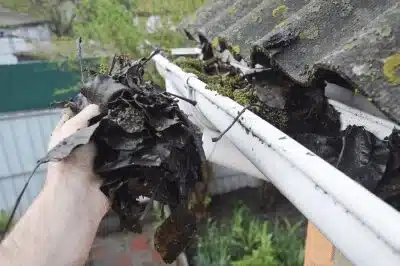
Texas, in particular, faces a high frequency of severe weather incidents, including thunderstorms, hailstorms, tornadoes, and hurricanes, inflicting significant damage on homes and buildings, with roofs often bearing the brunt.
Understanding Hail Damage
Predominantly occurring in spring and fall, hailstorms can be particularly harsh on roofs. The severity of hail damage hinges on the size, density, and point of impact of the hailstones, as well as the construction materials and techniques used for the roof. While slate and metal roofs boast a higher resilience to hail damage, wooden and asphalt shingle roofs are more susceptible.
To gauge the extent of storm damage, it’s crucial to be aware of the following indicators that suggest it’s time to consult with a roofing specialist:
Indications of Hail Damage on Your Roof:
- Loose or Cracked Shingles: Large hailstones can cause asphalt shingles to crack or loosen. Even minor cracks can alter the appearance and functionality of the shingles, while smaller hailstones may bruise the shingles, embedding granules deeper into their surface and making them more vulnerable to future storms.
- Dark or Shiny Spots: The force of hail can strip granules from asphalt shingles, revealing bare spots that may appear darker or shinier from ground level. This exposure accelerates the aging process of the roof and can also result in a softer feel to the shingles due to bruising.
When facing such damages, securing the services of San Antonio’s finest roofing experts is crucial. Hiring the best roofer in San Antonio, Texas, ensures that your roof receives the highest quality repairs, safeguarding your home against future weather challenges. Don’t wait for the damage to worsen-act now to protect your home by partnering with the top roofing professionals in the area.”

Ensuring Your Roof’s Integrity: Why Hiring the Best Roofing Company in San Antonio, Texas, is Essential
In the aftermath of severe storms, homes in San Antonio, Texas, are frequently left to confront the reality of storm damage. The ferocity of hailstones striking the roof can cause noticeable dents on metal flashing, roof vents, gutters, and downspouts. These elements are crucial for the roof’s overall function and are particularly prone to damage due to their exposure and material composition. Even metal roofing, celebrated for its durability, is not immune to the wrath of nature, with susceptibility varying based on the metal’s thickness and type.
Among the concerns that storms raise is the risk of exposed fiberglass, a situation arising when hail shatters shingles, separating them from the protective fiberglass mat below. This exposure not only signals an immediate risk of leaks but also underscores the urgency for professional inspection and repair to avert significant water damage to your home.
Wind, a less visible but equally destructive force, can wreak havoc on a roof’s structure. The damage it causes, from lifting and loosening shingles to hurling debris and causing punctures, necessitates a keen eye for both the obvious and subtle signs of distress. These signs include missing or loose shingles, curled or lifted roof edges, and the aftermath of tree limbs or other objects impacting the roof.
Rain, while a common and expected element, can exacerbate existing vulnerabilities in a damaged roof, leading to water ingress and further deterioration of roofing materials. The presence of granules in gutters post-storm indicates shingle erosion, a sign of compromised roof integrity.
Facing these challenges, the importance of selecting the best roofing company in San Antonio, Texas, cannot be overstated. A reputable and experienced roofer brings not only the necessary skills for thorough inspection and repair but also offers peace of mind that your home is in capable hands. They ensure that every aspect of storm damage, from dented metal components to the risks posed by wind and rain, is addressed promptly and effectively.
When selecting a roofing contractor, prioritize those with a proven track record of excellence in repairing storm damage. The best roofing company will not only restore your roof to its pre-storm condition but also enhance its resilience against future weather events. This choice is not merely about repair; it’s about investing in the long-term protection and security of your home.
In summary, the aftermath of a storm leaves no room for compromise on quality and expertise. Hiring the best roofer in San Antonio, Texas, is a critical decision for homeowners facing the daunting task of repairing storm damage. It’s a decision that safeguards your home, ensuring it remains a sanctuary against the elements for years to come.

Enhanced Roof Protection: Addressing Water Accumulation and Weather-Related Wear
In regions prone to heavy rainfall, roofs can become unwitting reservoirs for moisture, particularly in eaves or depressions where drainage is less than optimal. Such stagnant water can inflict serious harm on the underlying roofing materials, accelerating wear and potentially leading to breaches in the roof’s defense against the elements.
The presence of cracks and crevices on your roof not only compromises its integrity but also provides fertile ground for mold and mildew to take root. The growth of these organisms can lead to the expansion and deterioration of roofing materials and wood, further inviting infestations of insects and debris that compromise the roof’s structure and aesthetic appeal.
One of the more immediate consequences of storm damage, exacerbated by the cycle of extreme temperature shifts, is a leaking roof. Such vulnerabilities manifest as water spots on ceilings, dampness along interior walls, and an overall compromise of the building’s interior climate control, posing risks to both structure and inhabitant comfort.
The role of gutters and downpipes as critical components of a roof’s drainage system cannot be understated. When these features become obstructed, they redirect water flow back across the roof’s surface, leading to pooling and the eventual degradation of shingles and wooden structures beneath.
While snow and ice are less common adversaries for roofs in San Antonio, Texas, their occasional presence can unveil existing leaks and weaknesses in a roof’s armor against moisture. The weight of accumulated snow, rare yet plausible, can strain and damage the roof’s structure, highlighting the need for proactive snow and ice management strategies.
Recognizing Snow and Ice Damage:
The formation of ice dams is a tell-tale sign of inadequate attic ventilation, allowing ice to build up at the roof’s edge and overflow into gutters. This not only disrupts the roof’s drainage but also exerts undue pressure on shingles, leading to cracks, displacement, and a compromised barrier against water intrusion.
To navigate these challenges, the expertise of San Antonio’s premier roofing companies becomes indispensable. Their skilled assessment and tailored solutions offer homeowners peace of mind and a robust defense against the elements. Opting for the best roofing professionals ensures that your home remains secure, dry, and aesthetically pleasing, regardless of the weather’s whims. In essence, investing in top-tier roofing services is not just about repair; it’s about fortifying your home against future adversities, ensuring longevity and comfort for years to come.

Addressing Snow-Related Roof Challenges: Prevention and Repair Strategies
Even the smallest imperfections in your roofing materials, such as hairline cracks, can become gateways for snow to infiltrate and cause leaks. The introduction of moisture not only risks the immediate leak but can also lead to the melting and soaking of insulation and ceilings, fostering the growth of mold and resulting in significant water damage within your home.
Dealing with Collapsed Gutters and Roof Structures
The dynamic cycle of freezing and thawing associated with extreme temperature fluctuations can exert undue stress on your roofing system. This process can lead to gutter damage, where sections may become detached from the roof, compromising the drainage system and potentially leading to water infiltration and damage to the structure and foundation of your home.
Understanding the Risk of a Sagging Roof Deck and Ceiling Cracks
In Texas, where heavy snowfall is a rare event, homes are often not designed with the structural reinforcements necessary to bear the load of substantial snow accumulation. In the event of a significant snowfall, the added weight can stress the roof, leading to torn shingles, bent supports, and compromised structural integrity, which may manifest as a sagging roof deck or visible cracks in the ceilings.
Mitigating Leaks in Gutters
The melting process of snow and ice on your roof can create a cascading effect, where water flows into the gutters. If temperatures drop and this water refreezes, it can lead to blockages, forcing moisture back onto the roof or trapping water under a layer of ice, damaging roofing materials over time.
Post-Storm Action Plan
Once the storm has passed and conditions are safe, it’s critical to assess your roof for any damage:
- Visual Inspection: Safely examine your roof from the ground for visible signs of damage, such as missing shingles, ice dams, or sagging sections.
- Check the Gutters: Inspect gutters and downspouts for blockages, ice formation, or detachment from the roof.
- Interior Check: Look for any signs of water intrusion inside your home, such as water stains on ceilings or walls, which could indicate a leak.
- Consult a Professional: For a thorough evaluation and to address any issues, contact a reputable roofing company in San Antonio, Texas. Engaging with experts ensures that any damage is professionally assessed and repaired, preventing future leaks and structural issues.
By proactively managing and repairing snow-related damage, you safeguard your home against the elements and maintain its structural integrity and comfort. Enlisting the services of San Antonio’s top roofing professionals is not merely a response to immediate damage but a strategic investment in the resilience and longevity of your home.
- Call Your Contractor to Request a Roof InspectionHaving your roof inspected by an expert roofing contractor in TXimmediately after the storm is the best way to find and fix roof damage before it becomes extensive.
- Inspect Your Roof and Keep the EvidenceWe don’t ever recommend you get on the roof yourself, but you can document the damage with pictures and videos from ground level. Documenting damage as soon as it occurs is important to providing information to your insurance company.
- Remove Potential Hazards and Clean Up Broken GlassBe proactive in doing whatever you can to prevent further damage. Fallen tree branches, hanging roofs, shattered windows, and other remnants of the storm’s damage can be potentially dangerous. Cleaning up the area prevents further damage before a contractor comes on site.
- File a Claim Promptly With Your Home Insurance CompanyThe earlier you notify the insurance company, the better, especially if you need to file a claim. This gives your insurer time to assess liability and lessen any loss. Without proper notice, the insurer may deny coverage.
How To Protect Your Home from Storm Damage
While storms are unavoidable, you can minimize the amount of impact they have on your roof by:
- Regularly Trim Your Trees
Loosely hanging tree limbs are a recipe for disaster when a storm hits. They can quickly cause damage to your roof and home. Check the trees in your yard to ensure they’re secure and schedule regular trimming to protect your property.
- Seal Your Doors and Windows Properly
A small opening in your windows or doors is enough for strong winds to cause catastrophic storm damage to your roof and the entire home. Ensure your doors and windows are properly sealed.
- Clear Your Gutters
Clearing your gutters keeps gutters free-flowing and the downspouts drain water away from your home’s foundation. Water damage and foundation issues from strong storms can damage your property and devalue your home.
- Check for Loose Fence Posts
Strong winds will blow away anything that’s not secured, including fence posts. To check your fence’s footing and identify loose posts, shake each post strongly. If you have any that can easily wiggle out – make sure you secure them as soon as possible.
- Repair Loose Siding and Replace Missing or Damaged Shingles
Any unrepaired damage can get worse and cause bigger problems. Don’t delay getting roof repair services for your home’s roof. Leaving even small issues unattended can cause more damage later.
- Use Storm-Resistant Materials for Your Roof
Depending on your geographical location and the frequency of storms in your area, you may need to consider upgrading your roof with more storm-resistant materials. Consider selecting materials that are designed for your area and are more resistant to high winds, hail, and rain.
Insurance Coverage for Storm Damage
Storm damage is considered an Act of God and thus liable for compensation under most homeowner’s insurance policies.
However, failing to file claims on time or poor documentation can make you ineligible for coverage, and increase your premium rate for subsequent disasters.
For your insurance to cover roof damage, the amount payable depends on:
- the extent of your damage
- the age and structure of the building
- your premiums and deductibles
- property values in your neighborhood
Let Prime Seamless Protect Your Home From Storm Damage
If you suspect that your roof has been damaged in a storm, it is important to have it inspected by a professional roofing contractor as soon as possible. They can assess the extent of the damage, provide recommendations for repairs or replacement, and even work with your insurance company to file a claim and settle payment options.
If you are concerned about past storm damage, or want to protect your roof from future storms, give us a call.
Prime Seamless is an expert in residential roofing to keep you and your family protected when it matters most.
Best gutter company San Antonio Texas
Welcome to Prime Seamless Gutters & Roofing, today we’re spotlighting the premier gutter service provider in San Antonio, Texas. Gutters play a pivotal role in safeguarding your home’s exterior by directing water away from the structure, thereby protecting your property’s foundation and overall integrity from potential water damage. This drainage system is critical for effectively managing heavy rainfalls, snow, and debris, ensuring your home remains secure against the elements.
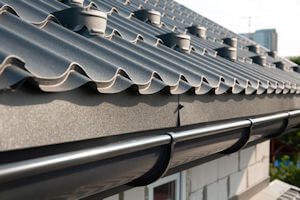
Ensuring your gutter system is up to par is key to maintaining your property’s safety. A system that is either incorrectly sized, improperly chosen, or lacking in necessary components like gutter guards can leave your property vulnerable to significant damage when faced with adverse weather conditions.
Are Gutters Essential for Your Home?
Gutters play a crucial role in safeguarding any residential or commercial structure from water damage. Acting as the unsung heroes of home maintenance, gutters are indispensable in maintaining the integrity of your property’s exterior.
Without gutters, rainwater can accumulate around the foundation, leading to soil erosion, basement leaks, and the unwelcome growth of mold and mildew. By ensuring proper drainage, gutters keep your home dry and channel water away effectively, highlighting their importance in protecting your living space.
Understanding the Components of a Gutter System
A gutter system comprises five key components, each playing an integral role in safeguarding your home from water damage. Here’s a closer look at each part:
- Gutter: This is the main channel that catches water running off the roof, serving as the initial point of contact for rainwater.End Cap: It seals the gutter system’s ends, ensuring water flows towards the downspout without escaping.Fascia Bracket: This crucial element secures the gutter to your home, providing support from beneath to prevent sagging or breaking.Downspout: Also referred to as a leader, the downspout is the conduit through which water travels from the gutter to the ground.Downspout Bracket: These brackets hold the downspout firmly against the house’s exterior, ensuring stability and efficient water flow.

Exploring the Varieties of Gutters in San Antonio, TX
In San Antonio, TX, gutters are categorized by their construction material and the specific shape in which they are installed, offering a range of options to suit different preferences and architectural styles.
Material-Based Types of Gutters
- Copper Gutters: Known for their exceptional durability, copper gutters stand out as the premium choice for gutter systems. Unique for their longevity, copper gutters are resistant to rust, never require painting, and are designed to last a century under all climate conditions. Initially, copper gutters showcase a striking matte brown finish that transforms into a distinctive blue-green patina over the years, adding timeless elegance to any property. For those who prefer a more subdued appearance, coated copper gutters are available, offering the same durability and benefits in a gray finish.
This guide highlights the importance of choosing the right gutter material to ensure long-lasting protection and aesthetic appeal for your home.

Aluminum Gutters: The Preferred Choice for Many Homeowners
Aluminum gutters are by far the most sought-after option for homeowners, thanks to their blend of durability, affordability, and versatility. As a cost-effective metal, aluminum stands out for its resistance to rust, offering a long-lasting solution without the need for frequent replacements. Available in a wide array of colors, aluminum gutters allow for easy customization to match any home’s exterior palette.
One of the key advantages of aluminum is its lightweight nature, which makes installation a breeze. However, this same feature means that aluminum gutters might be more susceptible to denting and bending compared to their heavier counterparts. Despite this, a high-quality aluminum gutter system is built to endure, with an expected lifespan of up to 25 years, providing reliable performance and adding to the curb appeal of your home with minimal maintenance.

Steel Gutters: San Antonio’s Top Choice for Durability
When it comes to combining strength with reliability, steel gutters emerge as the premier choice among San Antonio homeowners. Renowned for their robust construction, steel gutters offer unparalleled durability that withstands the test of time and the challenges of harsh weather conditions. This makes them an ideal investment for those looking to enhance their home’s resilience against rain, wind, and debris.
Steel gutters are celebrated for their heavy-duty performance, capable of resisting dents and deformations that lighter materials might succumb to. They’re designed to manage high volumes of water efficiently, making them particularly suitable for areas prone to heavy rainfall or snow. Although steel gutters may require a protective coating to fend off rust, this minor maintenance ensures their longevity and preserves their functionality for decades.
With a variety of finishes available, steel gutters can be customized to complement the aesthetic of any home, adding both practical and visual value. As San Antonio’s best option for gutter installation, steel gutters represent a wise choice for homeowners seeking a balance between strength, efficiency, and style.

Zinc Gutters: The Superior, Long-Lasting Choice
Zinc gutters represent the epitome of durability and sustainability in gutter technology. Esteemed for their remarkable longevity, zinc gutters are a top-tier choice for homeowners seeking a blend of aesthetic appeal and minimal maintenance. Characterized by their natural resistance to corrosion, zinc gutters stand the test of time, often lasting upwards of 50 years or more without the need for frequent replacements or repairs.
A distinct feature of zinc gutters is their ability to develop a protective patina over time. This layer not only enhances the gutters’ resistance to various environmental elements but also contributes to a unique, elegant appearance that matures and improves with age. The patina’s formation ensures that zinc gutters remain resilient against rust, corrosion, and UV radiation, maintaining their structural integrity and visual appeal through decades of use.
Beyond their durability, zinc gutters are favored for their eco-friendly profile. Zinc is a fully recyclable material, making these gutters an environmentally conscious choice for those looking to reduce their carbon footprint. With their superior longevity, low maintenance needs, and timeless beauty, zinc gutters are an excellent investment for any property, offering unrivaled performance and style that complements both modern and traditional architectures.

Vinyl Gutters: Affordable and Versatile Solution by San Antonio’s Best
Vinyl gutters stand out as the most budget-friendly and user-friendly gutter option on the market, making them a popular choice for homeowners looking for an effective yet economical drainage solution. Offered by the best gutter company in San Antonio, Texas, these gutters are prized for their simplicity in installation, allowing for a swift and hassle-free setup process.
Although the range of color options for vinyl gutters may be more limited compared to other materials, they possess the unique advantage of being paintable. This feature enables homeowners to customize their gutters to perfectly match their home’s exterior, ensuring a cohesive and attractive appearance. Vinyl gutters are available in a variety of shapes to accommodate different architectural styles and preferences.One of the key benefits of vinyl gutters is their resistance to corrosion and decay, promising a durable solution free from rust or rot. However, it’s important to note that vinyl may be vulnerable to damage under extreme weather conditions, such as severe cold or intense heat. Despite this, their cost-effectiveness, ease of maintenance, and adaptability make vinyl gutters a compelling choice for those seeking a practical and reliable gutter solution, backed by the expertise of San Antonio’s leading gutter professionals.

Explore the Best Gutter Styles with San Antonio’s Leading Gutter Company
When selecting the perfect gutter system for your home, understanding the variety of styles and their functionalities is crucial. San Antonio’s premier gutter company offers an array of options tailored to meet the specific needs of your property. Let’s delve into the popular gutter styles that combine functionality with aesthetics:
- K-Style Gutters: The K-style gutter’s design, reminiscent of crown molding with its flat bottom and decorative face, is the most popular choice among homeowners. Its compatibility with rectangular downspouts and capability to handle over twice the runoff compared to half-round gutters of equal size makes it a practical and stylish option for any home.
- Half-Round Gutters: For those seeking a touch of traditional elegance, half-round gutters are the ideal selection. Featuring a semicircular design with a charming curled front lip, these gutters pair seamlessly with round downspouts and offer efficient water drainage, making them a perfect match for classic and historic homes.
- Fascia Gutters: Designed for a sleek, integrated look, fascia gutters, or box gutters, are installed flush with the home’s fascia board. This design not only hides the gutters from view but also provides a clean, streamlined appearance that blends effortlessly with the architecture of your building.
- V-Style Gutters: Distinguished by their deep V-shape, these gutters offer a unique alternative to traditional styles. The V-style gutter excels in water management, handling a higher volume of water and promoting free flow to reduce the likelihood of clogs and backups, thanks to its angled sides.
- European Seamless Gutters: Embrace the sophistication of European seamless gutters for a sleek, continuous look along your home’s exterior. Crafted on-site to the exact dimensions of your property using a specialized machine, seamless gutters eliminate joints, reducing leaks and ensuring a perfect fit that enhances both the functionality and curb appeal of your home.
Choosing the right gutter style not only contributes to the effective management of rainwater but also complements the architectural design of your home. With the expertise of San Antonio’s best gutter company, you’re assured of quality, durability, and aesthetic appeal in your gutter selection, ensuring your home remains protected and stylish through every season.

DIY or Call Prime Seamless, San Antonio’s Premier Gutter and Roofing Company?
Gutter installation might appear straightforward, but it’s deceptively complex, necessitating not only expertise and experience but also safety measures for handling heavy equipment at heights. For those contemplating a DIY gutter project, it’s crucial to weigh the pros and cons meticulously.
Challenges of DIY Installation
- Pitch Precision: Achieving the correct pitch is essential for efficient water flow through your gutters. An incorrect pitch can lead to water stagnation and damage, potentially necessitating professional intervention even after substantial DIY efforts.
- Cost Considerations: While DIY might seem like a cost-saving endeavor, unexpected expenses can arise, such as the need for specialized tools or additional materials due to errors. These factors can diminish the perceived savings.
- Seamless Gutter Accessibility: Seamless gutters, preferred for their durability and lower maintenance, are typically not available at general retail stores, posing a challenge for DIY installations.
Understanding the Cost
The cost of gutter installation varies, influenced by your home’s size, chosen materials, and regional labor costs, with prices ranging from $1,000 to $5,600 for 200 linear feet on a new, single-story home. Each gutter type and material demands different levels of expertise and installation time, factors that can affect overall costs.
Recognizing the Need for Repairs
Regular inspections can identify the need for gutter repairs before issues escalate. Key signs include:
- Damaged Seams: Vulnerable points in your gutter system that, if separated, can lead to significant problems.
- Visible Cracks, Holes, or Rust: Indicators that parts of your gutter system may need replacement.
- Loose Fasteners: These components secure the gutter to your roof, and their failure can lead to broader damage.
- Detachment from the Roof: Persistent detachment despite repeated fastening attempts could signal underlying fascia issues.
- Sagging Sections: These can cause water pooling and overflow, suggesting it might be time for a replacement.
The Importance of Gutter Guards
Gutter guards are a crucial addition to any gutter system, designed to filter out leaves, twigs, and other debris, ensuring smooth water flow and preventing clogs. Various styles, such as screens, helmets, or covers, serve the same purpose: to safeguard your gutter from blockages that can compromise its efficiency.
Why Choose Prime Seamless?
For those in San Antonio, opting for DIY gutter installation might seem appealing, but the complexities and potential for unforeseen costs and issues make consulting with Prime Seamless, San Antonio’s best gutter and roofing company, a wise decision. With Prime Seamless, you gain the assurance of expert installation, high-quality materials, and the peace of mind that your home is protected by the best in the business. Whether you’re considering new gutters or need repairs, Prime Seamless offers the expertise and solutions to ensure your home’s gutter system functions flawlessly.
Choosing the Best Gutters
Nearly every home in the United States has a gutter system. They are essential in every climate and almost every type of home or building. Overall, aluminum gutters with gutter guards tend to be the most popular choice due to their affordability, durability, and ease of installation.
However, the best type of gutter or gutter guard for your home may depend on factors such as your budget, the climate in your area, and your personal preferences.
Prime Seamless Gutters and Roofing is the leading gutters and roofing contractor in Austin or San Antonio, TX because of our decades of experience, excellent workmanship, and great products.
We can install beautiful and durable gutters in Texas custom-made to fit your home. Give us a call today!
How to Choose the Right Types of Gutters
Gutters are designed to provide a drainage system for your home’s exterior. Their main job is to keep the water directed out and not in, thus protecting the building and foundation from water damage. This drainage system is essential for managing heavy rains, snow, and debris and keeping your property shielded from damage.
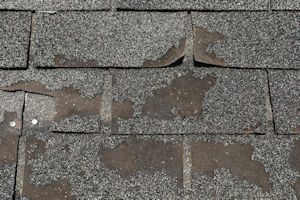
A well-functioning gutter system is essential to managing moisture and debris on your property. If you have the wrong size, the wrong type, or lack essential gutter guards – your property is at risk of major damage when the next storm hits.
Are Gutters Necessary?
Gutters are essential to waterproofing any home or structure. Often seen as an unsung hero, gutters are actually what holds everything else together and protect the exterior of your home.
If rainwater is not properly directed away from the foundation, it can seep into the ground, cause soil erosion, seep into the basement, and create mold and mildew growth. Proper gutter drainage keeps the home dry and directs water to proper channels.
The Different Parts of a Gutter System
There are essentially five different parts that make up a gutter system. Each part plays a crucial role in protecting your home.
- Gutter: The actual gutter trough is the top of the system that first captures the water shedding from the roof.
- End Cap: The end cap provides a closed end of the gutter system and directs the water to the downspout.
- Fascia Bracket: This small piece is critical in keeping the gutter attached to your house and supports the gutter from below so it doesn’t bend or break.
- Downspout: The downspout is also known as a leader, and provides a path that directs water from the gutter to the ground.
- Downspout Bracket: The downspout bracket(s) keep the downspout secured to the side of the house.

Types of Gutters
We can classify gutters in Austin, TX in two ways – the material they are made of and the shape in which they are installed.
- Based On Material
- Copper Gutters: Copper is the most durable material for gutter systems. This material never rusts or needs painting and should last 100 years in any climate. After installation, copper oxidizes to a matte brown in a matter of months, and then eventually a blue-green over decades. If you prefer gray gutters you can choose a coated copper material that carries the same benefits.

Aluminum Gutters: This is perhaps the most popular gutter material option. It’s a low-cost metal that won’t rust and comes in many colors. The light weight of aluminum is appealing but can also make it more prone to denting and bending than heavier metals. A high-quality aluminum gutter will likely last up to 25 years.

Steel Gutters: Steel gutters are coated in zinc to prevent rust while still providing the strength and durability of steel. Available in seamless or sections; the joints of steel gutters are soldered together, giving you a continuous system that often comes with a 25-year warranty.

Zinc Gutters: Zinc is a unique metal that has high contraction and expansion rates. This means that the metal itself is adaptable to weather conditions and won’t become brittle or break. The installation process is slightly more complicated, but the lifespan can reach up to 50 years.

Vinyl Gutters: Vinyl is the least expensive gutter option and the easiest to install. While color choices are limited, vinyl can be painted to match the home. Vinyl can be installed in several shapes and is not susceptible to rust or rot, but it can be worn down by extreme cold or intense heat.

- Based on ShapeK-Style Gutters: This most common gutter shape has a flat bottom and a profiled face that resembles crown molding. It is easily fitted with rectangular downspouts. The K-style gutter handles more than twice the runoff of a half-round of the same width.Half-Round Gutters: A basic semicircular trough with curled front lip that provides a beautiful natural fit on traditional homes. Goes best with round downspouts and tends to drain water more efficiently than rectangular ones.Fascia: A fascia gutter, also known as a box gutter, is designed to be hidden from view. It is installed flush with the fascia board giving the gutter system a clean, streamlined appearance that blends in with the building.V-Style: This style provides a deep v shape rather than a rounded or rectangular bottom. One of the advantages of a V-shape gutter is that it can handle a higher volume of water than some other types of gutters. The angled sides of the gutter allow water to flow more freely, which can help prevent clogs and backups in the system.European Seamless: A seamless gutter system is one continuous piece that runs the entire length of the home. Unlike traditional sectional gutters that are made up of separate pieces that are joined together, seamless gutters are fabricated on-site using a specialized machine. This ensures that it forms the gutter to the exact length needed for the home or building.
Can I Install Gutters Myself
Believe it or not, gutter installation is harder than it looks. It requires a lot of training and experience in order to be installed correctly and of course, requires safely navigating up and down a ladder with heavy power tools.
While there are many obstacles to installation, some homeowners still want to DIY their way through the project. While it is possible to install gutters yourself, it’s important you understand both the advantages and disadvantages to this approach.
- Pitch: Pitch is one of the most challenging aspects of installing gutters. If your pitch is off, then water will not run freely through your gutters which will lead to damage. For the untrained, installing gutters without the right pitch can lead to hiring professionals after you’ve already done a lot of the work.
- Cost: It may seem obvious that you can save money by installing gutters yourself. But that’s not always the case. You may have to rent or buy tools you don’t already have, and you still have to pay for the materials. The difference is, if you damage the materials – you have to buy more.
- Product Availability: Seamless gutters are one of the most sought-after gutter systems because they are more durable and require less maintenance than a sectioned gutter system. Seamless gutters are not an option at big-box stores, so it can be difficult to obtain seamless gutters if you are installing them yourself.
Cost of Installing Gutters
The cost of installing gutters depends on several factors including the size of your home, materials chosen, and the cost of labor in your area. Gutter installation averages cost between $1,000 and $5,600 for 200 linear feet for a brand-new, single-story home.
Each gutter type and material has different costs for installation because of the expertise of the roofing contractor in Austin, TX, or the time required for proper installation.
Signs You May Need to Repair Your Gutters
Gutter repairs can be done easily for most gutter systems. We recommend doing a quarterly check to see if they are working smoothly. If you notice any of the following signs, it might be time to call for a gutter repair service technician.
- Broken Seams: The seam is the most vulnerable part of your gutter system. If they come apart with age or damage, they can wreak havoc on your gutter system.
- Cracks, Holes, or Rust Spots: Any of these are sure signs of damage to your gutter system. You may need to replace a section or the entire structure if left unattended.
- Broken Fasteners: The fasteners are what hold the gutter to the roof, when these break, you open up your roof and outside walls to damage and can even cause water damage to your foundation.
- Pulling Away from the Roof: If you’ve hammered in the fasteners time and time again and the gutter is still pulling away from the roof, it may be a problem with the fascia boards and it’s time for a gutter replacement.
- Sagging Gutters: Areas of sagging causes the water to pool in certain sections and spill over. This is a time to consider replacing your gutters.
Don’t Forget About the Gutter Guards
As your gutters catch rainfall, they also catch leaves, sticks, twigs, bugs, debris, trash, and even small animals.
When your gutters become clogged, the entire drainage system is compromised.
Gutter guards prevent this from happening and keep your system clear. They are available in a variety of styles and known by many names such as gutter screens, helmets, or covers but the job is always the same – to keep anything larger than a grain of sand from getting caught and clogging your gutters.

Choosing the Best Gutters
Nearly every home in the United States has a gutter system. They are essential in every climate and almost every type of home or building. Overall, aluminum gutters with gutter guards tend to be the most popular choice due to their affordability, durability, and ease of installation.
However, the best type of gutter or gutter guard for your home may depend on factors such as your budget, the climate in your area, and your personal preferences.
Prime Seamless Gutters and Roofing is the leading gutters and roofing contractor in Austin or San Antonio, TX because of our decades of experience, excellent workmanship, and great products.
We can install beautiful and durable gutters in Texas custom-made to fit your home. Give us a call today!
What You Need to Know About Storm Damage On Your Roof
Storms are the number one cause of roof damage in the lower 48 states. According to the National Severe Storm Laboratory, severe thunderstorms can generate heavy rain, hail, ice, and winds exceeding 100 mph.
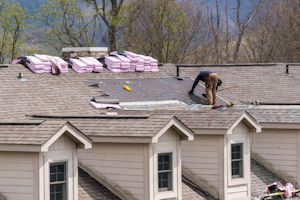
This weather can dent or even puncture roofing materials, leading to leaks and other issues. About 33% of U.S. homes are at high risk of natural disasters and storm damage.
Texas is particularly prone to severe weather events such as thunderstorms, hailstorms, tornadoes, and hurricanes.
These storms cause significant damage to homes and buildings in the area, especially to the roofs.
Hail Damage
Hailstorms are most common in the spring and fall seasons. Hail roof damage is difficult to recognize, but the extent is determined by hailstone size, density, and point of impact.
The impact also depends on your roof’s materials and construction methods.
Slate and metal roofs are more robust and can survive hail damage better than wooden roofs or asphalt shingles.
Looking out for these signs can help you determine the degree of storm damage and figure out when to call a roofing contractor in Austin, TX.
Signs Your Roof Has Hail Damage
Loose, Cracked Shingles or Shingle Mat
Large hail can crack or loosen asphalt shingles. Even a small crack on asphalt shingles can change their look and function. Smaller hailstones can bruise shingles and push the granules further into the shingle surface making them more prone to severe damage with the next storm.
Dark or Black Spots on Your Roof
Hard hail can knock off the granules from asphalt shingles, leaving the roof with bare spots. From ground level, this can appear like darker or shiny spots on the roof. Exposing the asphalt coating to the elements accelerates the aging of the roof. Hail can also bruise the shingles, making them feel softer.

Dented Metal Flashing, Roof Vents, Gutters, or Downspouts
Depending on the severity of the storm, hailstones can hit hard on the roof surface causing dents in the surface. Metal flashing, roof vents, and the gutter system are particularly susceptible to denting and bending from strong hail. Some types of metal roofing can be susceptible to denting, depending on the thickness and type of metal.
Exposed Fiberglass
Strong hail on vulnerable roofing can shatter shingles and break them away from the fiberglass mat underneath. If you can see any exposed fiberglass, your roof is at risk of major leaks into your home.
Wind Damage
Wind damage is caused by strong winds blowing at high speed. When high winds hit, it doesn’t simply flow evenly across the surface, it can whip and turn and swirl around the corners, the edges, and the ridge line to create significant damage.
High-strength winds that follow a storm can throw trees and debris against your roof causing extensive roof damage. The storm damage is usually apparent instantly but some signs are more subtle.
Signs Your Roof Has High Wind Damage
Missing or Loose Asphalt Shingles
Strong winds can often lift shingles, loosening them and causing the loss of entire shingles. If you can see obvious bare spots on your roof, this is a clear sign. However – your shingles may be loosened significantly, but not missing. A roof inspection will ensure that any loose shingles are fastened securely before the next storm.
Curled, or Lifted Edge of the Roof
Roof edges and high-stress points such as flashings around the chimney are most likely to sustain wind damage. You can often see storm damage in these areas from ground level. Look for edges that are curled up or lifted after strong storms.
Tree Limbs or Downed Power Lines on Your Roof
Falling objects such as trees and downed power lines are a major headache after strong storms. This type of large-scale destruction can cause small cracks or large holes in your roof. Tree branches may also break off and cause damage to previously loose or vulnerable shingles.
Punctures From Debris
Strong winds pick up anything in their path. The stronger the wind, the more it carries. You may find trampolines, trash cans, toys, or debris that can puncture your roof causing extensive storm damage.
Rain Damage
Water damage is a common issue that often accompanies severe storms. It may be from melted hailstones or rain.
Typically, rainstorms shouldn’t be a problem for your roof unless you experience heavy or prolonged rain, or your roof is already compromised or damaged.
If rainwater can’t drain, or drain fast enough, it will slowly erode roofing materials and lead to storm damage.
Signs Your Roof Has Rain Damage
Granules Washed Down into the Gutters
When it rains, check your gutters and your downspouts. If you see black granules building up, it could be erosion from your shingles. Rainwater often sweeps blown-off granules down the drain, which can quickly clog up your gutters and leave your roof exposed.

Pooled Water
With heavy rain, your roof can trap moisture in the eaves or low areas where there’s an improperly functioning drainage system. This pooling water can cause major damage to your roofing materials underneath.
Visible Growth of Mold or Mildew
If your roof has cracks and crevices, this creates the ideal place for mold to grow, causing mildew, expansion of materials, and deterioration of the wood on your roof. Mold also brings an infestation of bugs and other debris.
Leaking Roof or Ceiling
Over time, storm damage combined with extreme temperature fluctuations can beat up your roof and leave it vulnerable to leaking moisture. This can cause leaks, water spots on the ceilings, and dampness on interior walls.
Clogged Gutters and Downpipes
Clogged gutters can force heavy water to flow back over the top of your roof’s surface with nowhere else to go. During heavy rains, this creates standing water on your roofline, causing damage to the shingles and wood.
Snow and Ice Damage
Typically, snow melts off your roof easily. But, heavy snow or ice can exacerbate underlying leaks and expose your roof to moisture. If you experience sudden or consistent snowfall (rare in San Antonio, but possible) the accumulation of snow may add weight to your roof which can cause significant storm damage.
Signs Your Roof Has Snow and Ice Damage
Ice Dams
Ice dams occur when moisture or heat cannot escape through the attic ventilation. A dam of ice may appear on roof edges, and spill over into the gutters. Ice dams put pressure on shingles causing cracking, movement, and separation from the underlayment.

Snow Associated Leaks
If you have even hairline cracks in your roofing materials, snow can seep inside and cause leaks. This presence of moisture can also melt and soak insulation and ceilings, leading to mold and severe water damage in the home.
Collapsed Gutters and Roofs
Sometimes with extreme temperature fluctuations, water may freeze and thaw multiple times for several days. If this occurs, it may cause gutter damage causing sections of your gutter system to disconnect from your roof.
A Sagging Roof Deck or Cracks in the Ceilings
Because the presence of major snow is so rare in Texas, the homes are typically not built with reinforced beams to handle the weight of heavy snowfall. While this scenario is unlikely, the weight of excessive snow in the area can rip shingles, bend supports, and ruin your roof’s overall structural integrity.
Leaks in the Gutters
As snow and ice melt, the moisture runs down to the gutters. If it freezes during this process, it may cause a blockage and start forcing moisture back up onto the roof. This process may trap water under a layer of ice and can damage roofing materials.
What To Do After a Storm
After the dust has settled and the storm has cleared, it’s time to evaluate any damage to your roof.
Start with the following steps as soon as possible:
- Call Your Contractor to Request a Roof InspectionHaving your roof inspected by an expert roofing contractor in TXimmediately after the storm is the best way to find and fix roof damage before it becomes extensive.
- Inspect Your Roof and Keep the EvidenceWe don’t ever recommend you get on the roof yourself, but you can document the damage with pictures and videos from ground level. Documenting damage as soon as it occurs is important to providing information to your insurance company.
- Remove Potential Hazards and Clean Up Broken GlassBe proactive in doing whatever you can to prevent further damage. Fallen tree branches, hanging roofs, shattered windows, and other remnants of the storm’s damage can be potentially dangerous. Cleaning up the area prevents further damage before a contractor comes on site.
- File a Claim Promptly With Your Home Insurance CompanyThe earlier you notify the insurance company, the better, especially if you need to file a claim. This gives your insurer time to assess liability and lessen any loss. Without proper notice, the insurer may deny coverage.
How To Protect Your Home from Storm Damage
While storms are unavoidable, you can minimize the amount of impact they have on your roof by:
- Regularly Trim Your Trees
Loosely hanging tree limbs are a recipe for disaster when a storm hits. They can quickly cause damage to your roof and home. Check the trees in your yard to ensure they’re secure and schedule regular trimming to protect your property.
- Seal Your Doors and Windows Properly
A small opening in your windows or doors is enough for strong winds to cause catastrophic storm damage to your roof and the entire home. Ensure your doors and windows are properly sealed.
- Clear Your Gutters
Clearing your gutters keeps gutters free-flowing and the downspouts drain water away from your home’s foundation. Water damage and foundation issues from strong storms can damage your property and devalue your home.
- Check for Loose Fence Posts
Strong winds will blow away anything that’s not secured, including fence posts. To check your fence’s footing and identify loose posts, shake each post strongly. If you have any that can easily wiggle out – make sure you secure them as soon as possible.
- Repair Loose Siding and Replace Missing or Damaged Shingles
Any unrepaired damage can get worse and cause bigger problems. Don’t delay getting roof repair services for your home’s roof. Leaving even small issues unattended can cause more damage later.
- Use Storm-Resistant Materials for Your Roof
Depending on your geographical location and the frequency of storms in your area, you may need to consider upgrading your roof with more storm-resistant materials. Consider selecting materials that are designed for your area and are more resistant to high winds, hail, and rain.
Insurance Coverage for Storm Damage
Storm damage is considered an Act of God and thus liable for compensation under most homeowner’s insurance policies.
However, failing to file claims on time or poor documentation can make you ineligible for coverage, and increase your premium rate for subsequent disasters.
For your insurance to cover roof damage, the amount payable depends on:
- the extent of your damage
- the age and structure of the building
- your premiums and deductibles
- property values in your neighborhood
Let Prime Seamless Protect Your Home From Storm Damage
If you suspect that your roof has been damaged in a storm, it is important to have it inspected by a professional roofing contractor as soon as possible. They can assess the extent of the damage, provide recommendations for repairs or replacement, and even work with your insurance company to file a claim and settle payment options.
If you are concerned about past storm damage, or want to protect your roof from future storms, give us a call.Prime Seamless is an expert in residential roofing to keep you and your family protected when it matters most.
What is The Best Season to Replace a Roof in Austin, TX?
Deciding when to get a roof replacement is essential to ensure everything goes as smoothly as possible. From excellent working conditions to a better roofing bond, there are many benefits to choosing the right time of the year for your replacement.
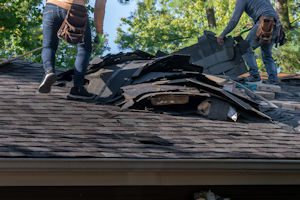
Which Season is Best for a Roof Replacement in Austin, TX?
Fall has Perfect Weather: Fall is the busiest time for roofing installations, with ideal weather conditions being the main reason. Daytime temperatures above 40-45 degrees are perfect for installing asphalt shingles.
They need adequate time to bond properly and ensure a secure seal for your roof. In addition, roofing contractors in Austin, TX can work for longer hours in the fall without the risk of heat exhaustion or freezing, leading to faster installations compared to the summer or winter months.

Prepare for Winter Utility Bills: A well-installed roof is essential for maintaining your home’s energy efficiency, especially during the winter months. High winter energy bills often result from poor roof and attic ventilation, increasing heating costs.
Roof repair or replacementbefore winter arrives is a wise investment that can help address these issues and reduce energy bills.
Ensuring Safety Before Weather Changes: As summer transitions to fall, it is an excellent time to address any roofing damages or other issues that may have arisen earlier in the year. Spring thunderstorms and summer heat can take a toll on your roof and cause leaks that can weaken the structure of your home.
Fall is the perfect time to replace your roof, giving you peace of mind that your home is ready for winter and its potential challenges. Don’t wait until problems arise; replace your roof in the fall and protect your home.
Hire a Roofing Company You Can Trust in Austin, TX
A roof replacement is an important project that can affect your home. To ensure that everything is done correctly, it is best to hire a professional roofing contractor in TX.
They will have the knowledge and experience to understand your home’s needs. Contact us today for thorough, reliable service in Austin, Texas, that will give you ease of mind.